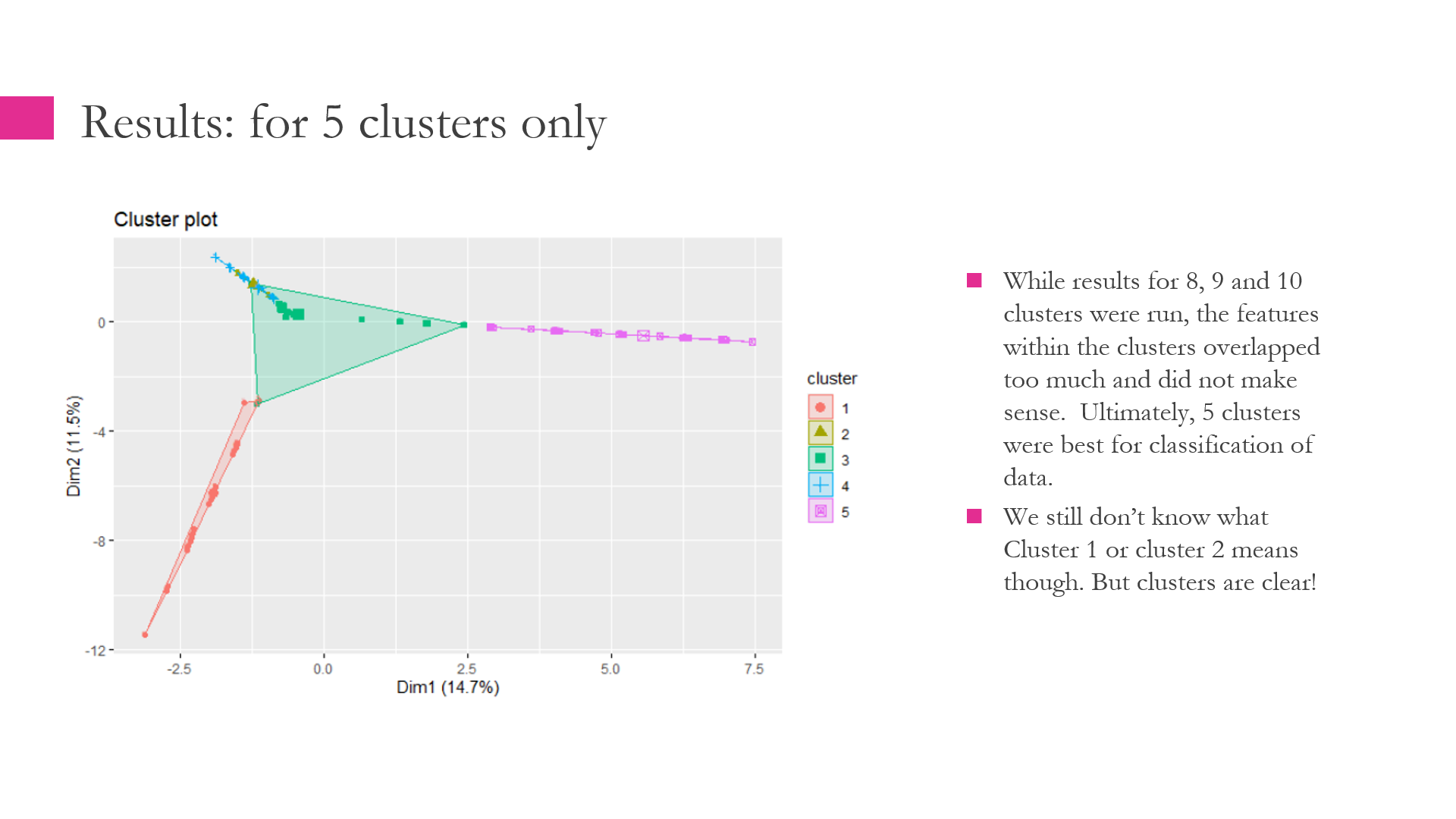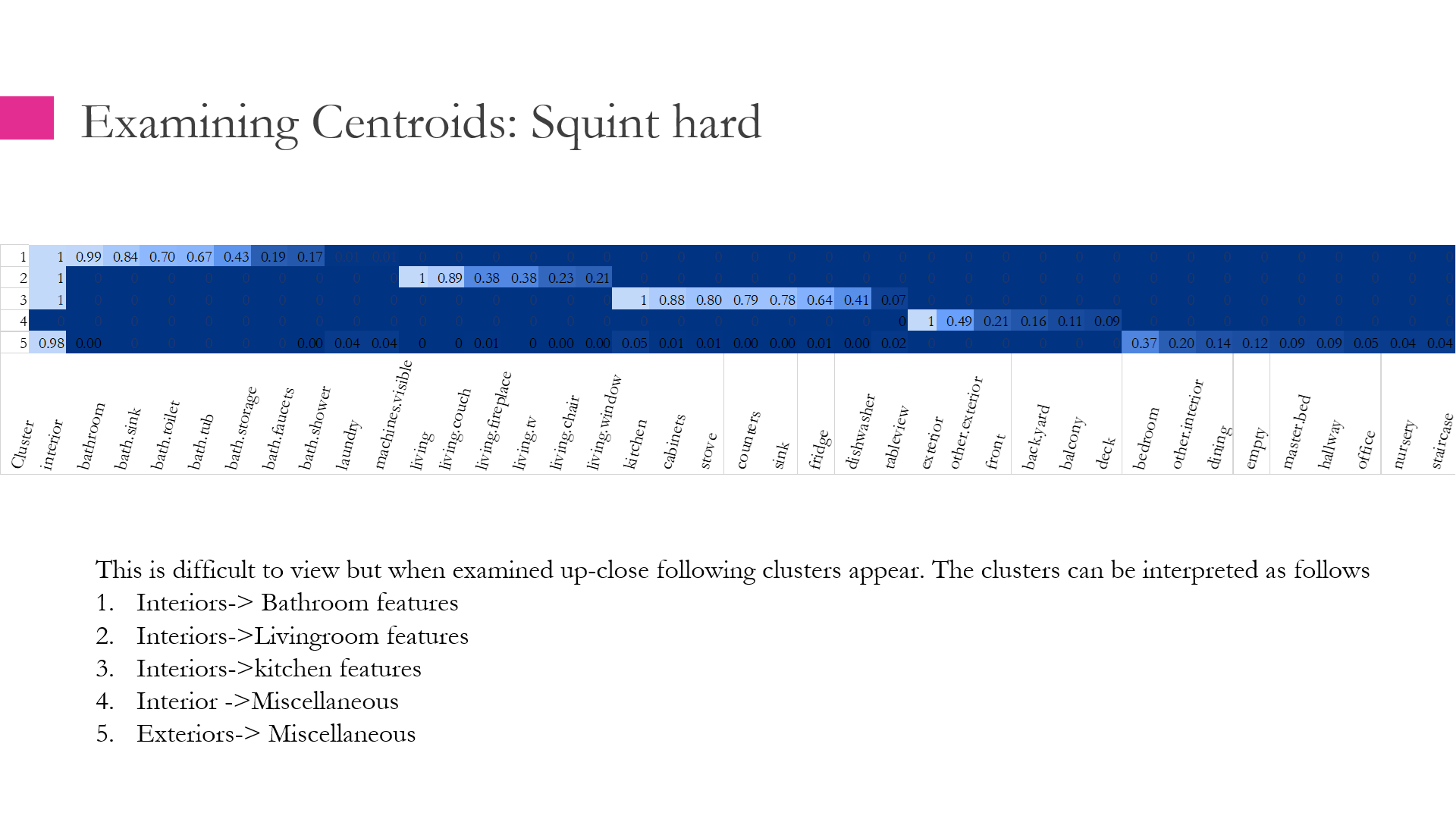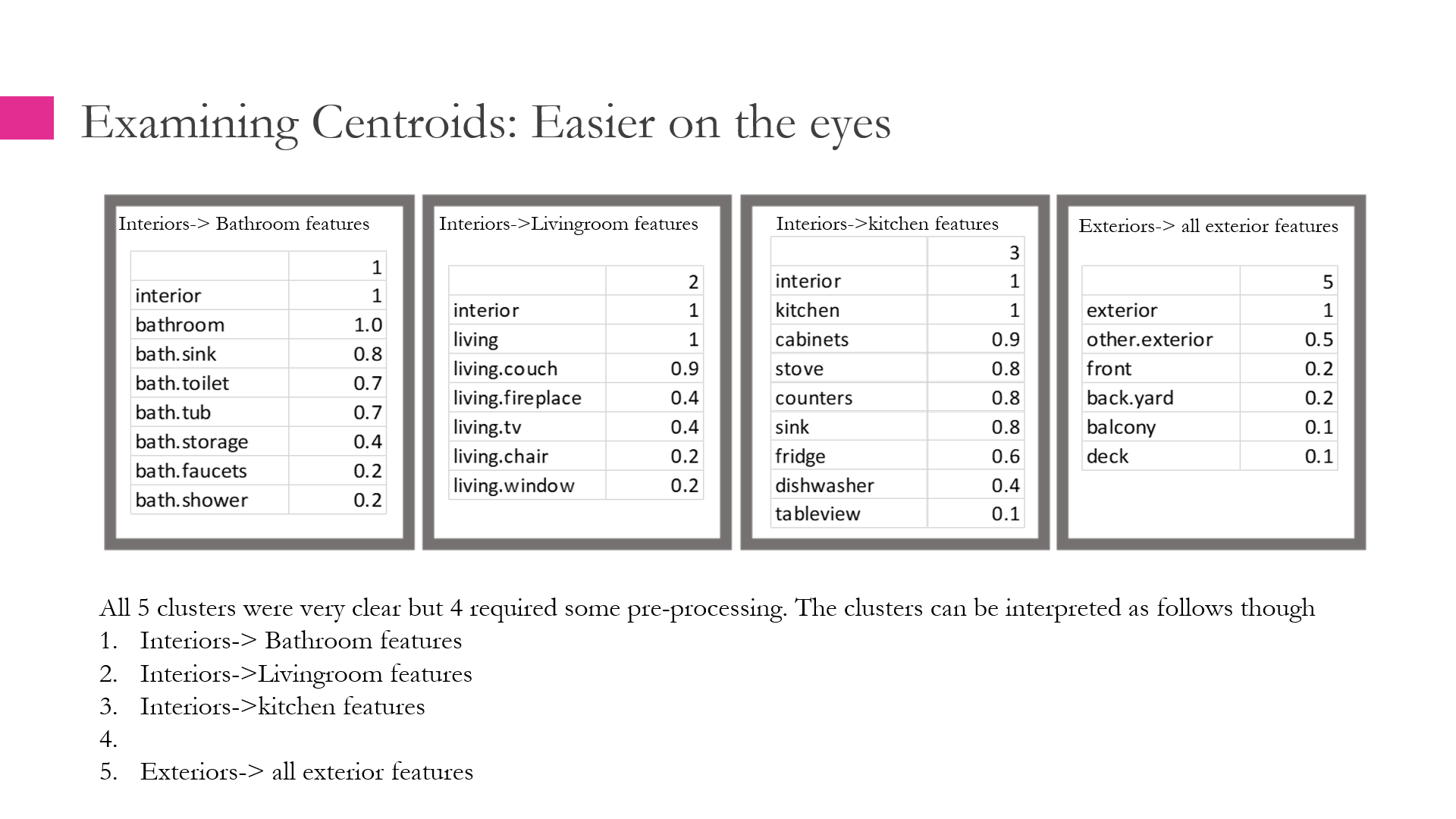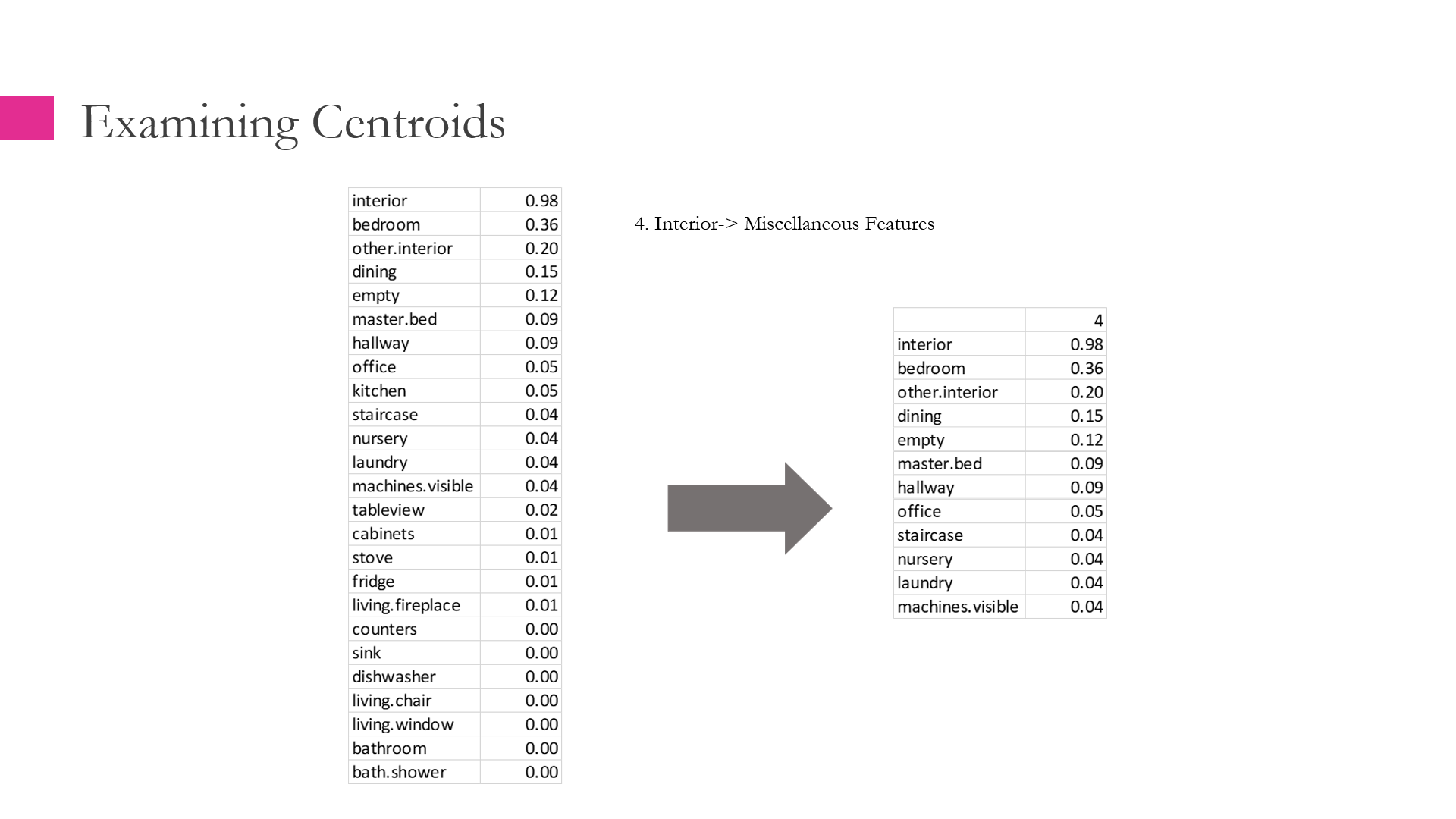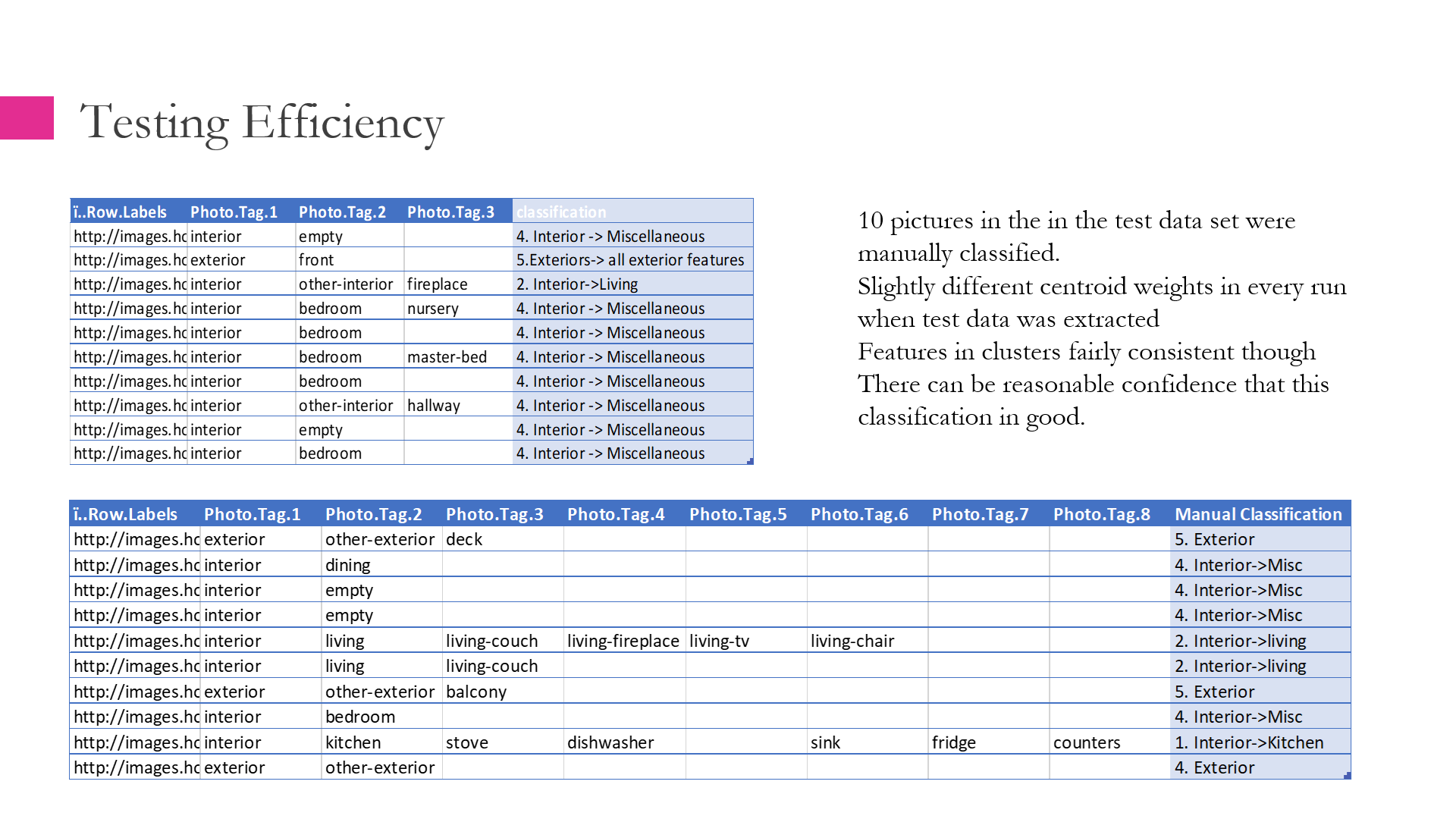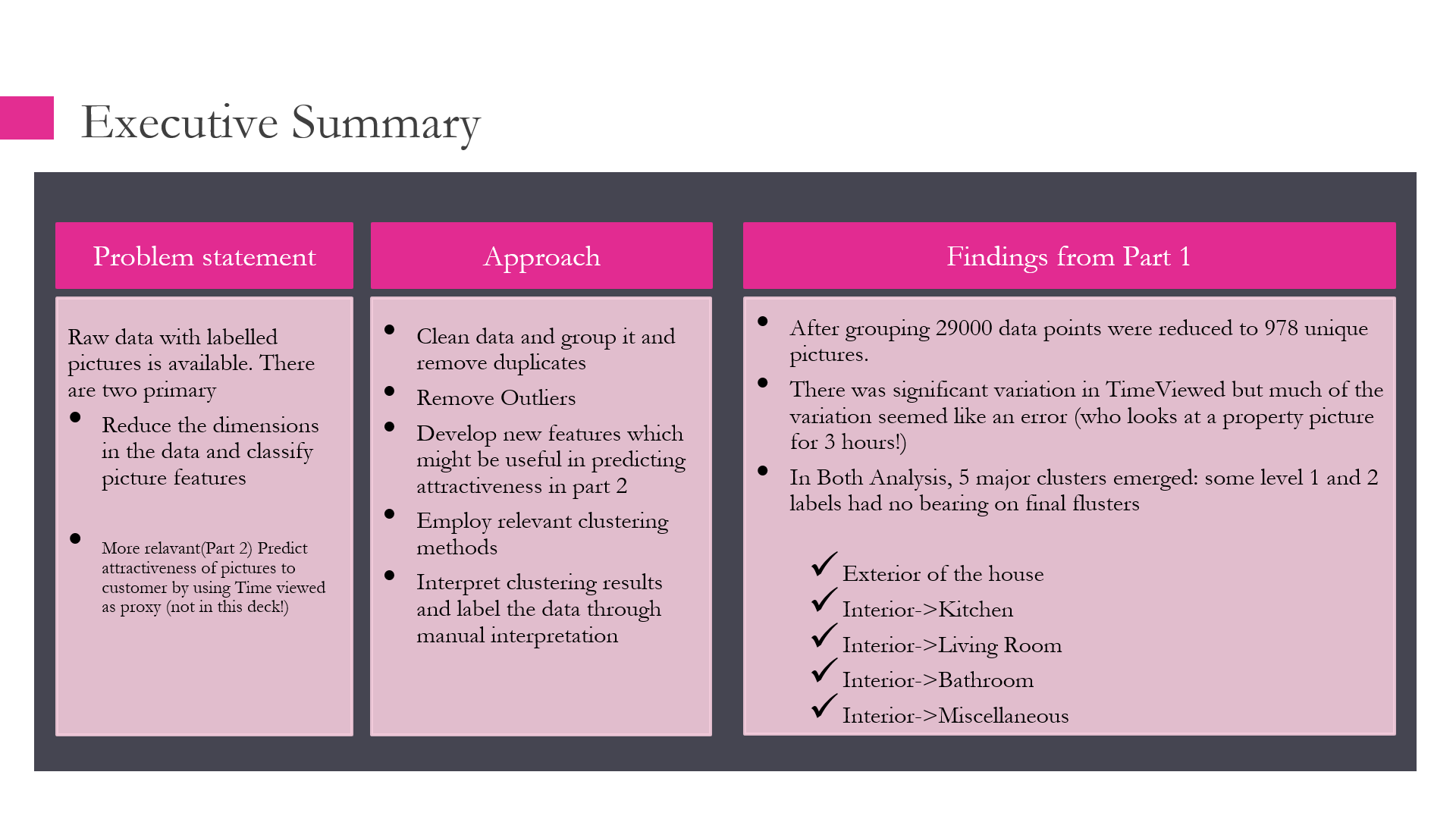
I considered including the actual technical write-up for the analysis in this post, and it turns out that while it’s a great refresher for me, I don’t think anyone is going to sit and read it. The deck, on the other hand, was significantly more engaging, and I definitely recommend reviewing it.
By this point, I had figured out that while including technical jargon lends you credibility, getting buy-in, even with technical teams, requires you to ultimately simplify what you learned. Even if the learning itself is meant to be used for another technical process - as was the case with this case.
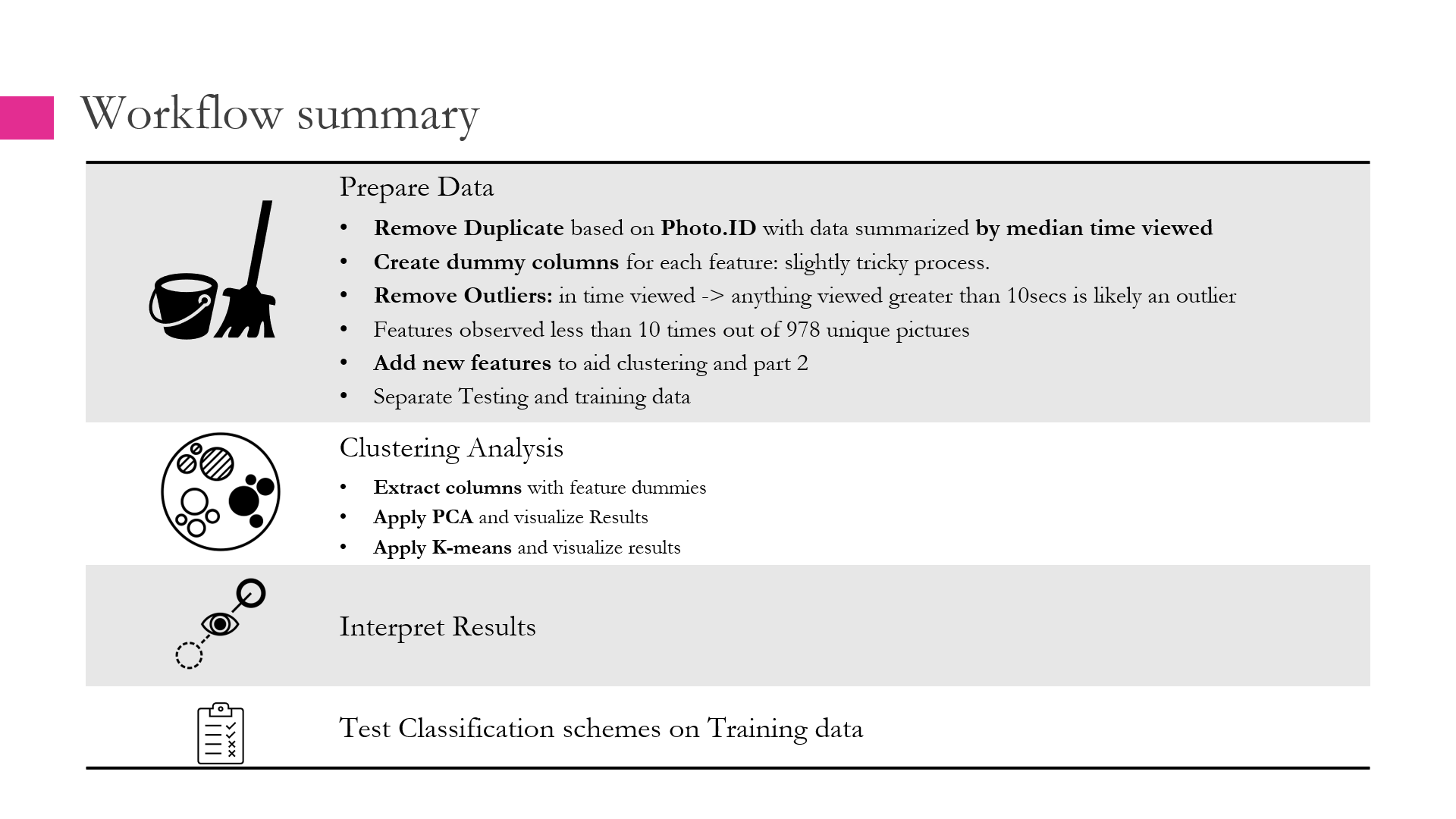
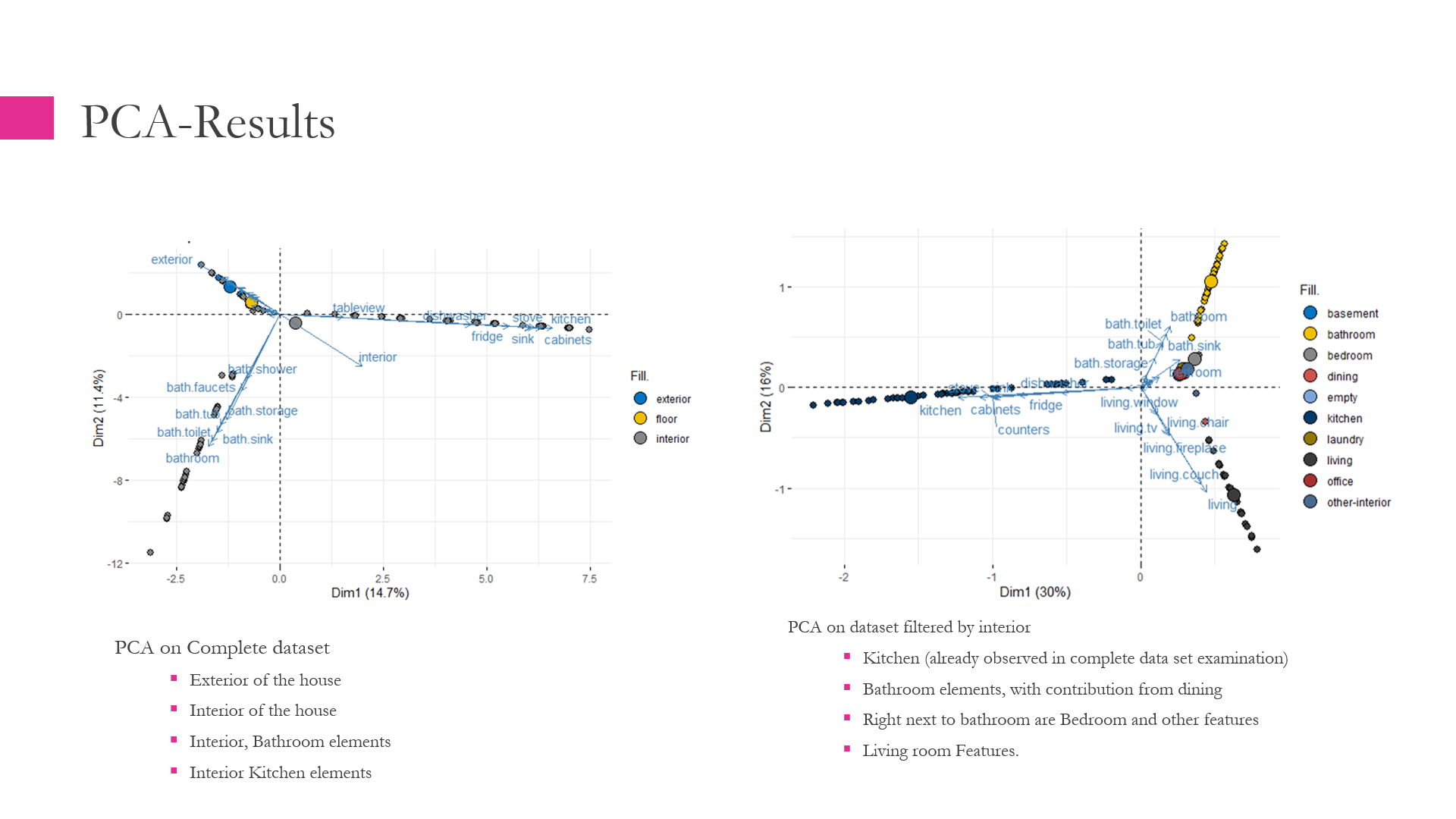
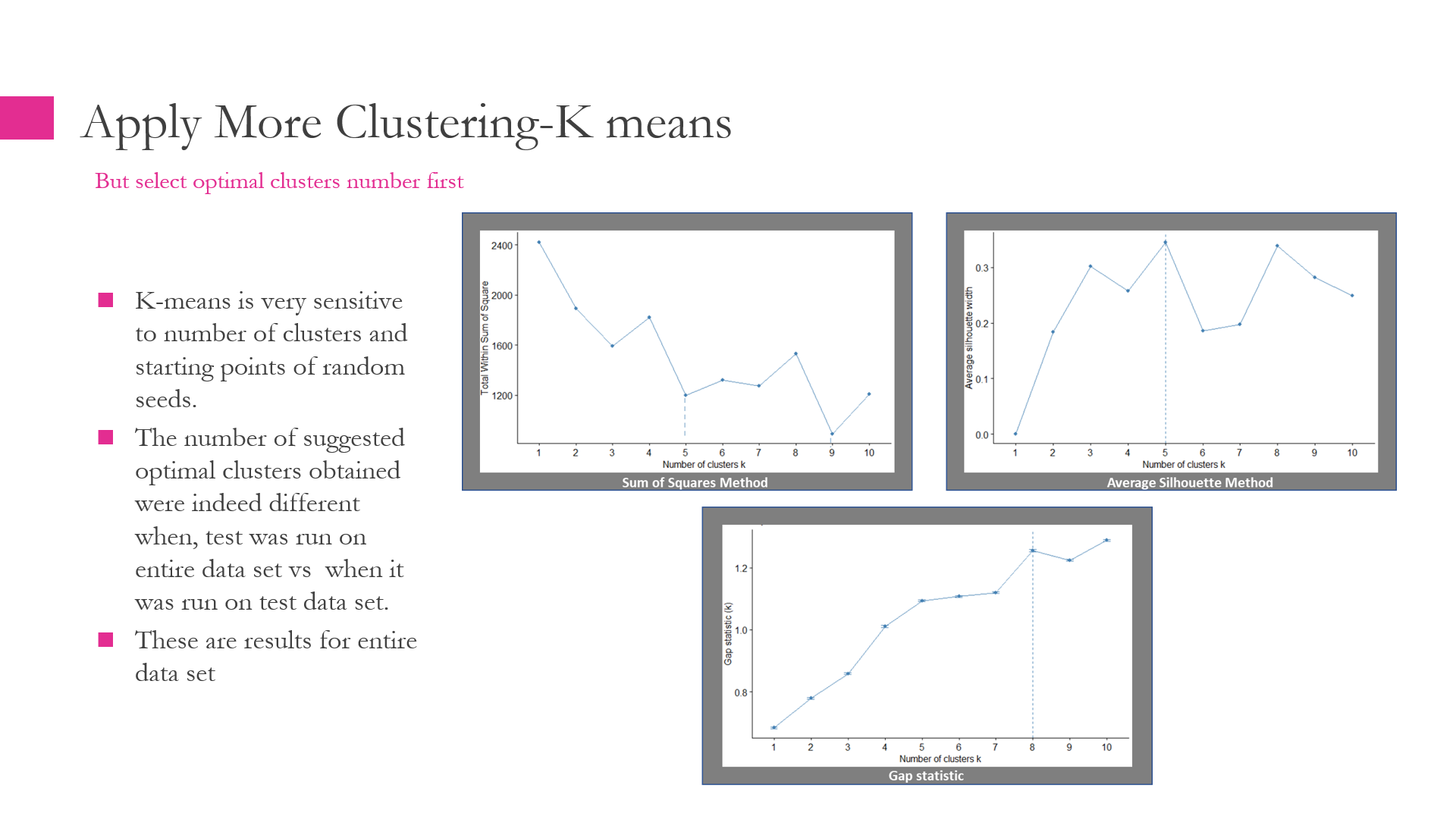
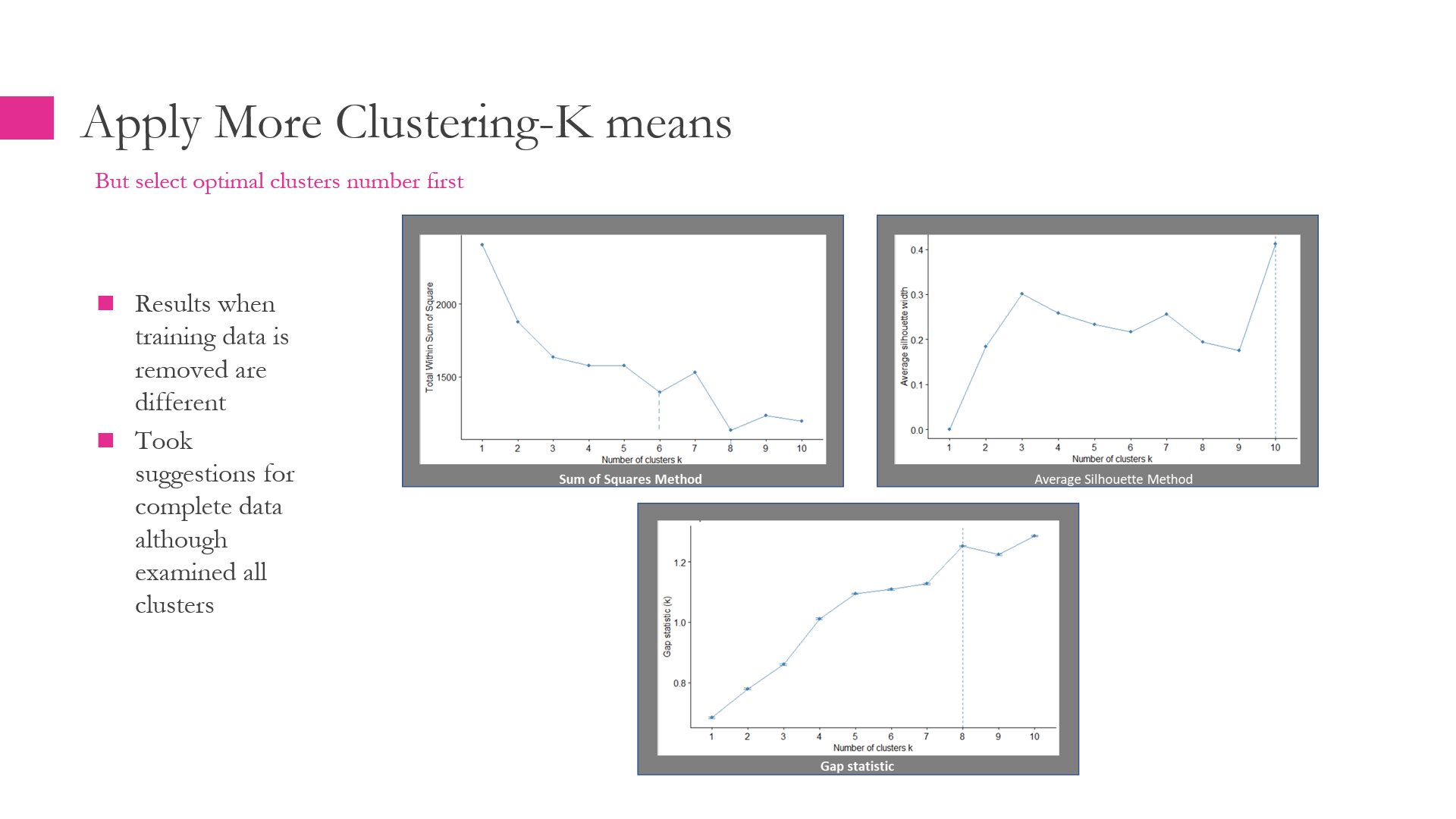
The long and short of this deck is that I had some data to classify using a bunch of new algorithms I had just learned, and Python programming (which I had also just picked up).
Also, technical knowledge is like a muscle, if you don’t use it, you lose it. When I read the document now, I do remember what was going on, but I’d need to exercise those mental muscles for a couple of days before I feel fully at home with the concepts again.
On the other hand, I did teach some colleagues regression and related concepts (and to be fair, I was (duly) excited about it thanks to Freakonomics, I don’t think I’ll ever forget regression).
Finally, and somewhat disappointingly, this classification model was built on textual analysis—even at the time, that felt like a letdown. But I was in an MBA course, and I have not done anything in my career since to really justify learning computer vision models. Maybe its time to change that 🙂