For more background information and bibliography: Visit this page (part 1)
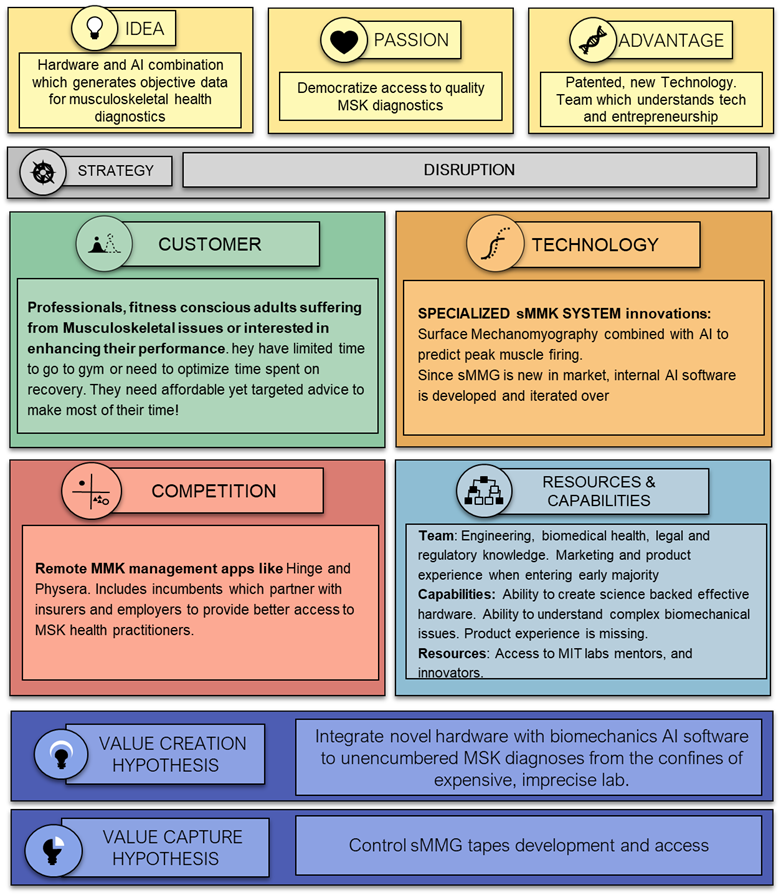
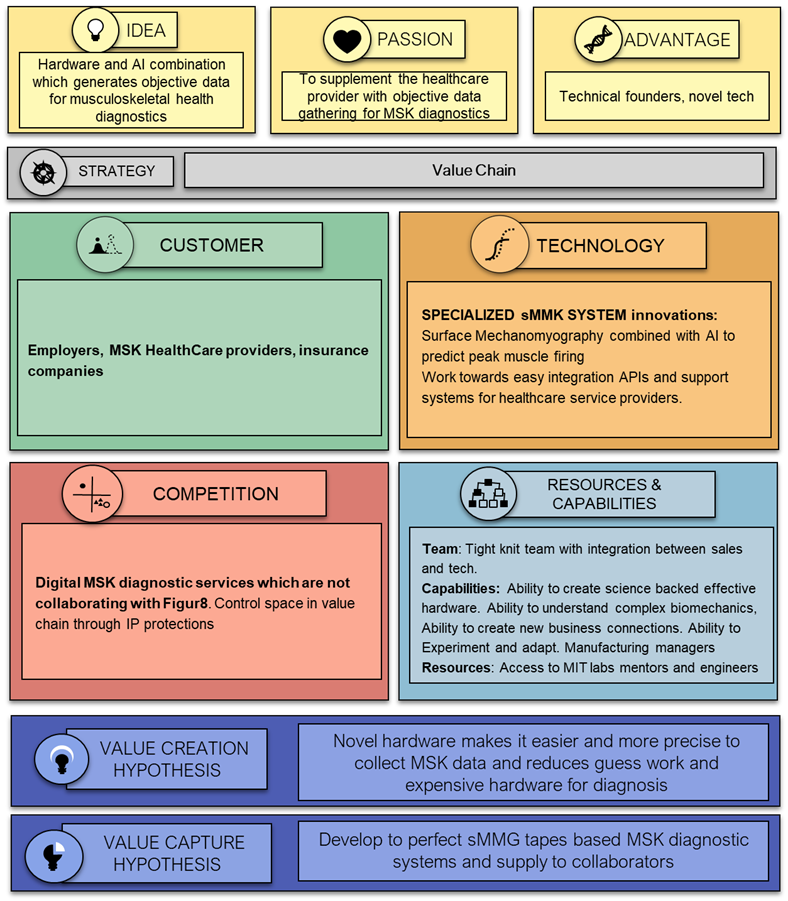
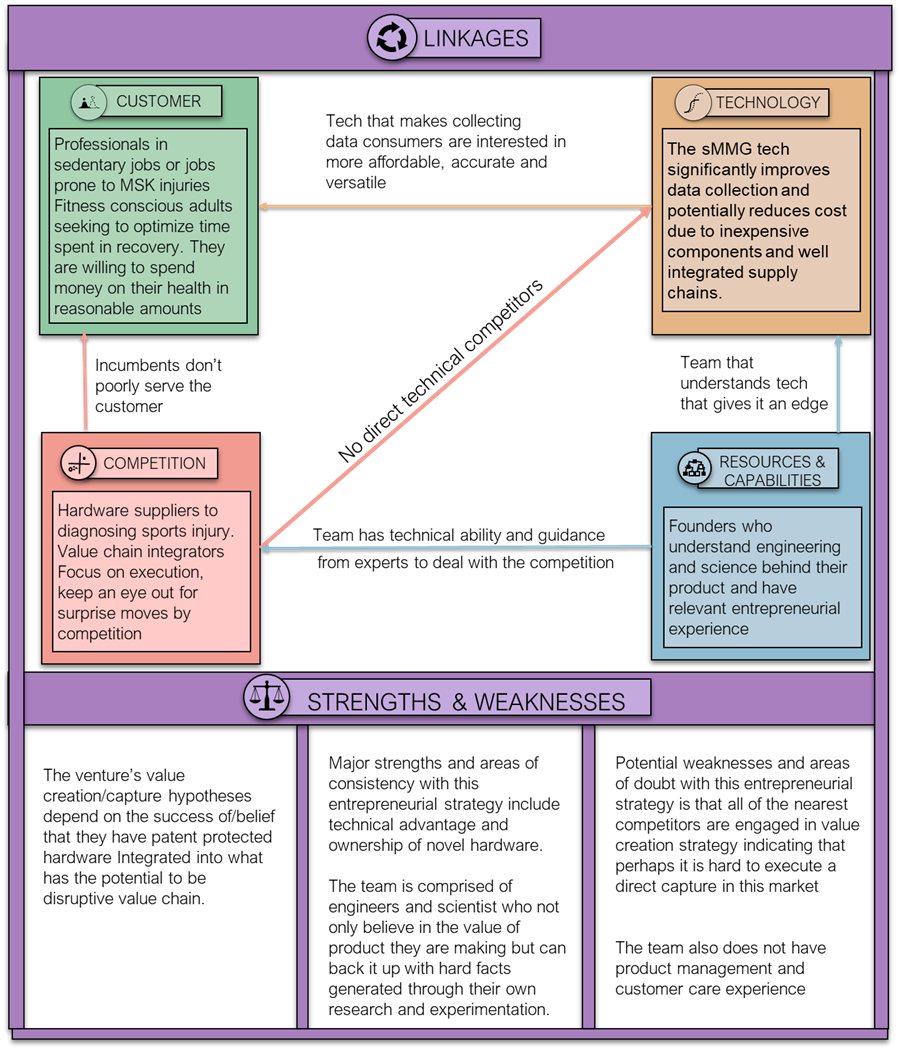
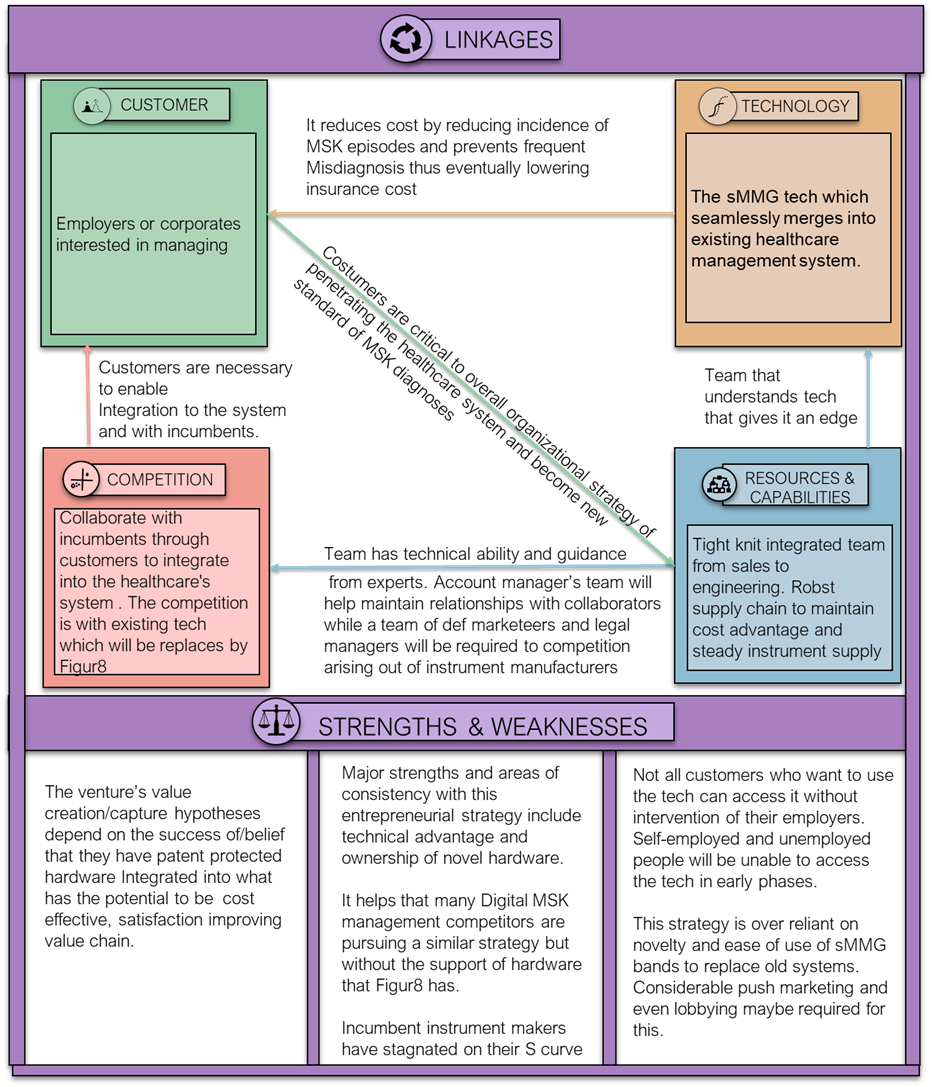
More details on Strategy A and Strategy In comparing the two strategies I have tried to review pros and cons of both strategies as well as possible pitfalls that Figur8 should take care of when choosing any one of the two.
Intro
Given the current state of development and funding, Strategy A can seem lucrative. This Strategy allows for greater control over Figur8’s asset deployment and an opportunity to become a memorable household brand. Due to lack of notable direct competition, it may allow figur8 to capture market without attracting direct reactions from incumbents. Eventual reaction from incumbents, would actually mean Figur8 did the right things and took customers away from them which is really the goal of this strategy.
However, this strategy requires investment into skillsets that company does not currently have. They need to add marketing professionals and a larger team of product managers who excel at B2C marketing. This strategy also ties the company up in developing a robust interface which can be easily understood and followed by a person. Moreover, until Figur8 completes the cycle of early adopter customer acquisition, it is highly likely it’s energies will stay tied up with its existing product. There is a reasonable chance that they will run out of one or all of the following: time, resources, or funding for development of new use cases of its product till then. New products are therefore out of question till a much later stage. This is not necessarily a bad thing as it allows Figur8 to learn about its end customer while acquiring skills necessary to survive as a disruptionist. The concern here is more around how much more money they must burn on this strategy.
They have already spent 3 years perfecting the technology to good results. Disruption would require figur8 to invest more into customer acquisition before profits start rolling in. It is unclear how long the existing investors will continue to support the company without monetary results which might force the company to go to market without completing the interface and AI.
In such a scenario, the choice between strategy A and B will be made by circumstances and funding available to Figur8.
Recommended Strategy
Strategy B not only immediately starts bringing in revenue, in the long run it allows Figur8 to start looking towards other technical applications of its products. As more revenues come in, Figur8 can develop more scientific instrumentation based on the experience from previous cycle of developing systems which healthcare providers can use.
It should be remembered that large incumbents typically have a lot of leverage in form of capital, recognition, and market access. Partnering with them runs the risk of becoming dependent on partners and requires shrewd navigation of business relationships. Figur8 will have to carefully leverage its technology to manage partnerships. While exclusivity is recommended in value chain strategy, I did not consider it for Figur8 because there was no significant advantage to Figur8 in pursuing that route. Instead it just limits their reach to end user because of partner’s limitations. Partnering with several companies though not only provides access to a larger audience, it gives Figur8 more ground to maneuver if any single partner tries to use their position for unfair advantage.
Obviously, partnering with more firms and collaborators would require monetary input but I would argue that it will still be less than marketing directly to customers as strategy A requires.
Indeed, strategy B is what Figur8 seems to be pursuing.